Saint-Antoine Clinic
Promise at DawnSaint-Antoine Clinic is the hospital in Nice where the narrator finds his mother after returning from wartime service. The clinic becomes the setting for their reunion and parting: after forty-eight hours beside her bed, he leaves again, carrying the strain of a farewell neither can put into words.
Arrival in Nice
After a forty-eight-hour journey on a soldiers’ leave train, the narrator reaches Nice early in the morning and goes straight to Hôtel-Pension Mermonts, where his mother occupies the hotel’s smallest room. Finding it empty, he wakes the concierge and learns that she has been taken to Saint-Antoine Clinic; he immediately takes a taxi there. The clinic is thus the first place where he sees her after his return, reached through a sudden transition from the empty room to her bedside.
The bedside vigil
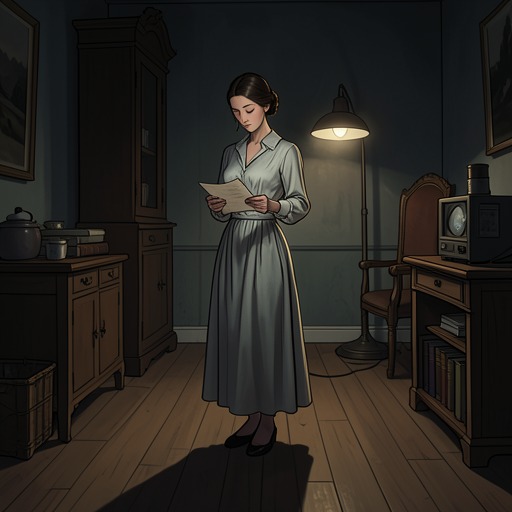
The nurses initially mistake the narrator, still wearing his leather flying jacket and cap, for someone arriving to hold up the clinic. His mother lies with her head sunk into the pillow. On the bedside table, conspicuously displayed in a violet case, is the silver medal he won at the Nice ping-pong championship in 1932. The medal brings a measure of his earlier life into the wartime reunion, while his jacket, cap, and cigar stub show him arriving still marked by the identity and habits he has carried through the war.
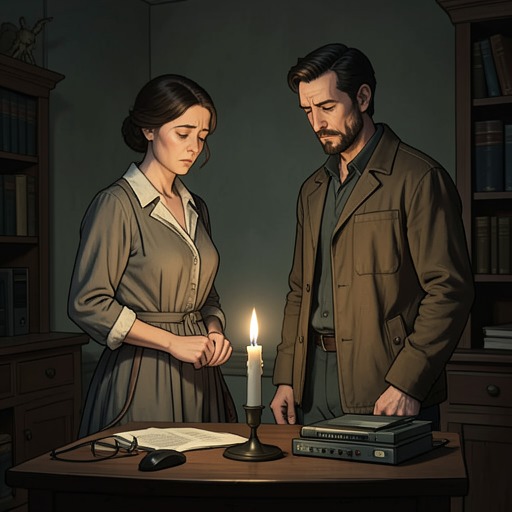
Their first exchange is silent. When his mother asks him to draw the curtains, he does so and then raises his eyes toward the light without waiting for her to ask; he understands that this gesture is enough. He remains beside her for forty-eight hours, keeping his clothes on and the dead cigar stub between his teeth because he needs something to cling to. His mother asks whether he has news of Ilona. She also tells him that he needs a woman by his side, and he replies that all men do.
Departure and significance
When his leave ends, the narrator spends one more night in the armchair beside the bed. In the morning, after the curtains have been drawn, he leans over to kiss his mother goodbye. He makes himself smile rather than cry, remembering her advice about how to behave with women; at this parting, perhaps a final one, he wants her to see him as a man rather than only as her son. She smiles too. The clinic frames a separation shaped by their closeness: what passes between them is conveyed less through conversation than through the long vigil, the restrained gestures, and the effort each makes to meet the other’s eyes with a smile.